
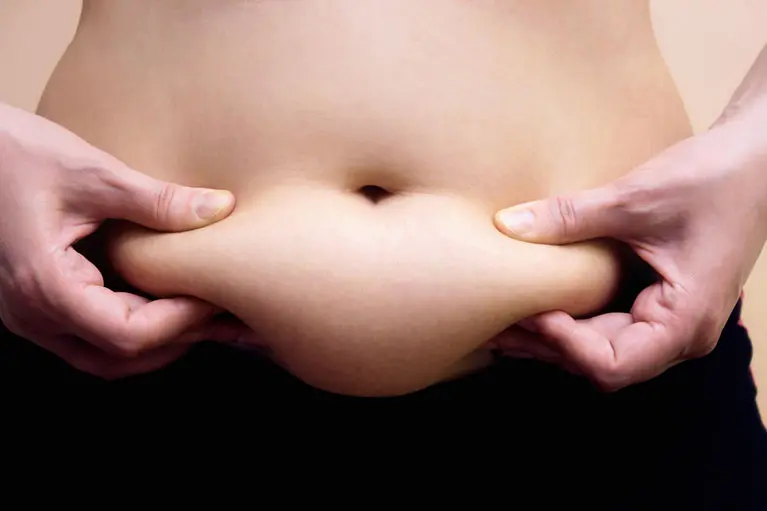
There is a common expectation that consistent dieting and regular exercise should eventually lead to fat loss across the entire body. While this is true to a certain extent, many people notice something frustrating over time: certain areas simply do not change, no matter how disciplined the routine becomes.
The abdomen may remain soft despite weight loss, the flanks may continue to appear rounded, or the inner thighs may not respond the way other parts of the body do. This is where the concept of stubborn fat removal becomes important—not as a failure of effort, but as a limitation of how the human body stores and releases fat.
According to Dr. Mohan Rangaswamy, this is one of the most misunderstood aspects of body transformation. Fat loss is not evenly distributed, and biology often determines the final outcome more strongly than lifestyle alone.
Understanding why this happens is essential before considering any medical or surgical option such as VASER-assisted body contouring.
One of the most persistent myths in fitness culture is the idea of targeted fat loss. Many people believe that working out a specific area will reduce fat in that exact region. For example, doing abdominal exercises to flatten the stomach or leg workouts to slim the thighs. However, the body does not work this way.
When fat is burned, it is reduced systemically—not locally. The body decides where fat is stored and where it is released based on genetic programming, hormonal balance, and metabolic factors.
Dr. Mohan Rangaswamy explains that this is why some individuals see dramatic changes in their face or arms during weight loss, while their abdominal or hip area remains largely unchanged. This uneven response is one of the key reasons people begin exploring medical solutions for stubborn fat.
Not all fat in the body behaves the same way. There are different types of fat cells, and their responsiveness to diet and exercise varies significantly.
Certain areas of the body are designed to store energy more efficiently. These regions tend to release fat more slowly, even during calorie deficits. Common stubborn fat zones include:
According to Dr. Mohan Rangaswamy, these areas are often influenced by long-term hormonal and genetic patterns rather than short-term lifestyle habits. This is why two people following the same fitness routine can end up with completely different body shapes.
Hormones play a major role in how the body stores fat. Insulin, cortisol, estrogen, and testosterone all influence fat distribution patterns.
For example:
Dr. Mohan Rangaswamy emphasizes that hormonal balance is often overlooked when people struggle with stubborn fat. Even with strict dieting, hormonal signals may continue to protect certain fat deposits. This is not something that can always be corrected through lifestyle alone.
Exercise improves metabolism, strengthens muscles, and supports overall fat reduction. However, it does not guarantee proportional body transformation.
A common scenario is someone becoming significantly fitter and stronger, but still not achieving the contour they expect. This happens because exercise reduces fat gradually across the entire body, but does not specifically reshape stubborn zones.
Dr. Mohan Rangaswamy often explains that fitness improves structure, but not necessarily silhouette. The underlying fat distribution pattern remains unless it is directly addressed. This is where body contouring becomes relevant—not as a replacement for fitness, but as a refinement tool.
Genetics is one of the strongest predictors of body shape. It determines where fat is stored first and where it disappears last.
Some individuals naturally store more fat in the abdomen, while others may accumulate it in the thighs or arms. Even with consistent training, these patterns tend to remain stable throughout life.
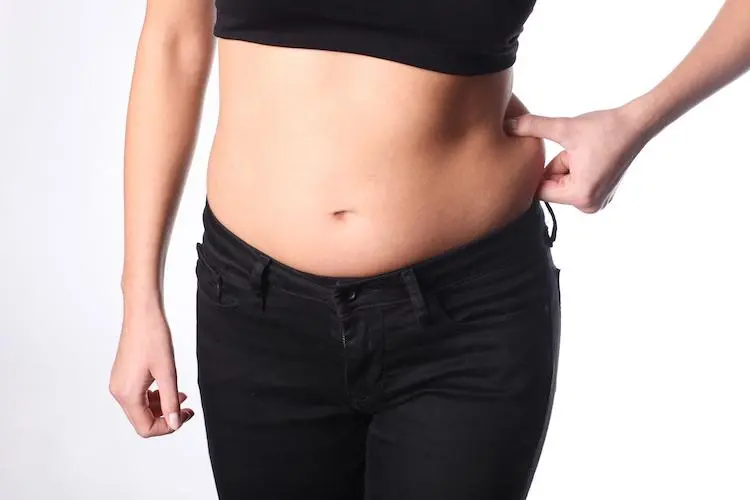
According to Dr. Mohan Rangaswamy, this is why some patients feel they have reached a plateau despite achieving a healthy weight. The body may be lean overall, but certain regions continue to disrupt the visual balance.
Understanding this genetic influence helps shift expectations from “complete fat removal” to “targeted contour improvement.”
Diet and exercise are powerful tools, but they have physiological limits. Once the body reaches a certain point of adaptation, further changes become slower and more resistant. This is often when individuals start noticing:
Dr. Mohan Rangaswamy describes this phase as a “contour plateau,” where overall fitness improves but aesthetic balance remains unchanged. At this stage, medical evaluation may help determine whether stubborn fat is suitable for procedural reduction.
When lifestyle approaches no longer affect certain areas, liposuction becomes a targeted method for fat reduction. It does not replace diet or exercise, but complements them by addressing resistant fat deposits directly. Modern techniques focus on precision rather than volume removal.
VASER liposuction, in particular, has changed how stubborn fat is treated. It uses ultrasound energy to gently break down fat cells before removal, allowing for more controlled and refined contouring.
According to Dr. Mohan Rangaswamy, this technology is especially useful in areas where fat is fibrous or resistant, such as the lower abdomen or flanks. The goal is not simply to reduce fat, but to reshape and refine body proportions in a natural way.
Earlier approaches to fat removal often focused on extracting as much fat as possible. While effective in reducing volume, this method sometimes led to uneven contours. Modern body sculpting takes a different approach.
Dr. Mohan Rangaswamy emphasizes that the key to natural-looking results is precision. Removing too much fat or targeting areas without considering surrounding structure can disrupt balance.
Instead, the focus is on:
This is what distinguishes simple fat removal from true body contouring.
For many patients, stubborn fat is not just a physical concern. It often affects confidence and body perception, especially after significant effort has already been made.
It can be frustrating to feel fit and healthy internally but not see the external reflection match that effort.
Dr. Mohan Rangaswamy often addresses this during consultation by helping patients understand that body transformation is not always linear. Biology plays a strong role, and in some cases, surgical refinement becomes part of a complete transformation journey.
If liposuction is performed for stubborn fat removal, recovery is gradual and structured. Initially, swelling and tightness are expected as the body begins healing. Over the following weeks, the treated areas gradually settle into their new shape. Patients are typically advised to:
According to Dr. Mohan Rangaswamy, final results should not be judged immediately, as the body continues to refine its contours over several months.
Once stubborn fat cells are removed, they do not return. However, maintaining results still depends on lifestyle stability. If significant weight gain occurs, remaining fat cells in other areas can expand. Dr. Mohan Rangaswamy advises maintaining:
This ensures that the sculpted results remain stable and natural over time.
The key to understanding stubborn fat lies in accepting that the body does not respond uniformly to effort. Some changes happen quickly, while others require more targeted intervention.
Diet and exercise remain essential foundations of health. However, they are not always sufficient for achieving complete contour balance.
Dr. Mohan Rangaswamy approaches each case with this balance in mind, combining medical understanding with advanced techniques like VASER liposuction to achieve natural and proportionate outcomes.
If you are struggling with stubborn fat despite maintaining a healthy lifestyle, a detailed consultation with Dr. Mohan Rangaswamy can help you understand the underlying causes and explore suitable options. A personalized evaluation ensures that any treatment plan is based on anatomy, expectations, and safe clinical principles, leading to refined and natural-looking results.