
Many people follow a healthy lifestyle, exercise consistently, and make thoughtful food choices, yet they still struggle with certain areas of fat that refuse to go away. This experience often leads to frustration and a common question: Why is some stubborn fat so difficult to lose?
The answer lies in how the human body stores and uses fat. Not all fat behaves in the same way, and several biological factors influence where fat accumulates and how easily it responds to weight loss. Understanding these differences is important because it helps set realistic expectations and explains why body contouring procedures such as VASER liposuction may be considered when localized fat persists despite healthy habits.
According to Dr. Mohan Rangaswamy, a plastic surgeon with more than 30 years of experience in body contouring, educating patients about the science of fat distribution is one of the most important parts of the consultation process. When patients understand why stubborn fat develops, they are better prepared to make informed decisions about their treatment options.
Stubborn fat refers to localized deposits of subcutaneous fat that remain even after weight loss, regular exercise, and a balanced diet. Unlike general body fat, stubborn fat tends to stay in specific areas because of genetics, hormones, and the body’s natural fat storage patterns.
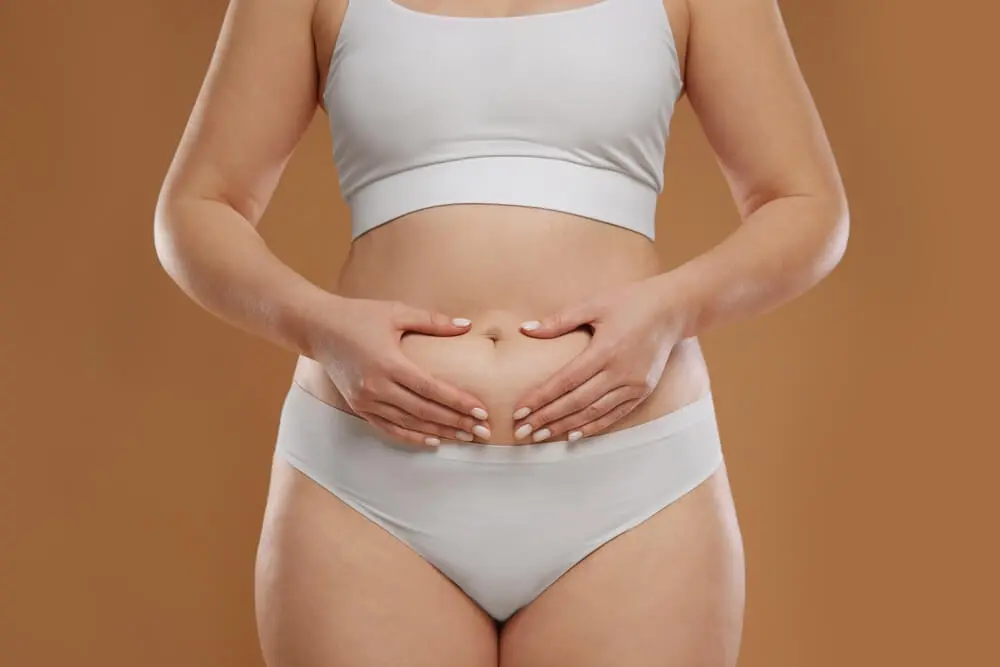
Common areas where stubborn fat develops include:
These areas often become the focus of body contouring because they may not respond as expected to lifestyle changes alone.
One of the biggest misconceptions about weight loss is that people can choose where their body burns fat first. In reality, the body decides where fat is stored and where it is used for energy. This process is influenced by biology rather than personal effort.
For example, two people may follow the same workout routine and eat similar diets, yet one loses abdominal fat first while the other notices changes in the face or legs.
According to Dr. Mohan Rangaswamy, this variation explains why many healthy individuals continue to experience stubborn fat despite their commitment to fitness.
Your genetic makeup has a significant influence on body shape and fat distribution. Some people naturally store more fat around the abdomen, while others accumulate it around the hips, thighs, or upper arms. Although healthy habits can reduce overall body fat, genetics often determine which areas are the last to change.
This is why stubborn fat should not be viewed as a sign of poor lifestyle choices. Instead, it is often a normal characteristic of an individual’s body composition.
Hormones also affect where fat accumulates. Natural hormonal changes associated with aging, pregnancy, or menopause may alter fat distribution over time. Stress-related hormones can also influence the body’s tendency to store fat in certain regions.
Dr. Mohan Rangaswamy explains that understanding these hormonal influences is essential when evaluating patients for body contouring because they help explain why fat behaves differently from one person to another.
As we grow older, the body naturally undergoes several changes. Muscle mass gradually decreases, metabolism slows, and fat distribution often shifts toward the abdomen and waist. These changes may occur even when body weight remains relatively stable. For many patients, this is the point at which localized stubborn fat becomes more noticeable and resistant to exercise.
Many people believe they can eliminate fat from a specific body part by exercising that area repeatedly. For example, doing hundreds of abdominal exercises will strengthen the abdominal muscles, but it will not selectively remove fat from the stomach. Similarly, arm exercises cannot guarantee fat loss from the upper arms. Dr. Mohan Rangaswamy frequently explains that exercise improves overall fitness, but it cannot determine where the body burns fat first.
Understanding the type of fat present is an important part of treatment planning.
Subcutaneous fat lies directly beneath the skin. This is the fat that can often be pinched between your fingers and is the type that can be addressed through VASER liposuction.
Visceral fat surrounds internal organs deep within the abdomen. Unlike subcutaneous fat, visceral fat cannot be removed with liposuction. It is primarily reduced through healthy eating, regular physical activity, and long-term lifestyle changes.
Dr. Mohan Rangaswamy carefully distinguishes between these two fat types during consultation to ensure patients understand what body contouring can realistically achieve.
When stubborn fat is localized and primarily subcutaneous, VASER liposuction may be an effective body contouring option for suitable candidates.
Unlike traditional weight-loss methods, VASER liposuction is designed to refine body shape rather than reduce overall body weight.
The procedure uses ultrasound energy to gently loosen targeted fat cells before they are removed, allowing for greater precision during contouring.
According to Dr. Mohan Rangaswamy, the goal is not simply to remove fat but to sculpt balanced, natural-looking body contours that complement the patient’s overall physique.
Every patient has different anatomy, skin quality, fat distribution, and aesthetic goals. This means that the same treatment approach is not suitable for everyone. Before recommending VASER liposuction, Dr. Mohan Rangaswamy performs a comprehensive evaluation that considers:
This personalized assessment helps ensure that treatment recommendations are appropriate and realistic.
Although fat cells removed during liposuction do not regenerate, maintaining results depends on long-term lifestyle habits. Patients are encouraged to:
Dr. Mohan Rangaswamy believes that body contouring should enhance the results of a healthy lifestyle rather than replace it.
Stubborn fat is a normal part of human biology and is influenced by genetics, hormones, aging, and natural fat distribution patterns. This explains why certain areas of the body remain resistant to diet and exercise, even in people who maintain healthy lifestyles.
Understanding these biological differences helps patients develop realistic expectations and appreciate the role of advanced body contouring procedures. When localized subcutaneous fat persists despite consistent efforts, VASER liposuction offers a precise approach to refining body contours rather than serving as a weight-loss solution.
With more than three decades of experience in plastic surgery, Dr. Mohan Rangaswamy believes that successful body contouring begins with patient education, careful evaluation, and individualized treatment planning. By combining advanced VASER technology with meticulous surgical technique, he focuses on creating balanced, natural-looking results that complement each patient’s unique anatomy.
If you have been struggling with stubborn fat despite maintaining a healthy lifestyle, understanding the underlying cause is the first step toward choosing the right treatment. A consultation with Dr. Mohan Rangaswamy provides a thorough assessment of your body composition, fat distribution, and aesthetic goals to determine whether VASER liposuction is appropriate for your needs. Through personalized planning and advanced body contouring techniques, he helps patients achieve refined, natural-looking results while prioritizing safety and long-term satisfaction.