
For many people, the lower abdomen is one of the most challenging areas to tone. Even after losing weight, eating a balanced diet, and exercising regularly, lower belly fat often remains. This can be frustrating, especially when other parts of the body appear leaner while the area below the navel continues to hold onto excess fat.
The reason lies in the body’s natural fat distribution. Not all fat behaves the same way, and the lower abdomen is particularly prone to storing fat because of genetics, hormones, aging, and individual body composition. Understanding these factors is essential for setting realistic expectations and choosing the most appropriate treatment when lifestyle changes alone are not enough.
According to Dr. Mohan Rangaswamy, a plastic surgeon with more than three decades of experience in body contouring, successful treatment begins with identifying why fat has accumulated in a particular area rather than simply focusing on removing it. Every patient has a unique body structure, and recognizing these differences is the foundation of personalized care.
Lower belly fat refers to the fat that collects below the belly button and above the pubic area. It is one of the most common concerns among both men and women because it can affect the overall shape of the abdomen, even in individuals who maintain a healthy lifestyle.
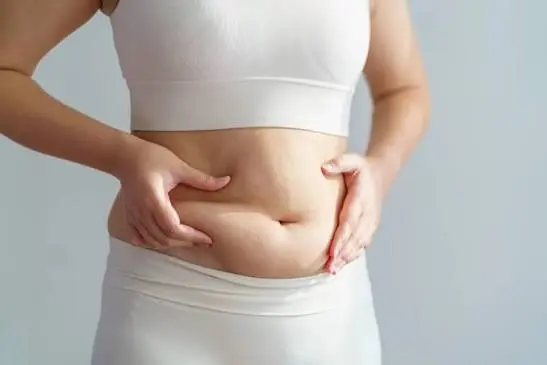
In most cases, the fat in this region is subcutaneous fat, which sits just beneath the skin. This differs from visceral fat, which surrounds the internal organs inside the abdominal cavity.
This distinction is important because body contouring procedures such as VASER liposuction are designed to target localized subcutaneous fat rather than visceral fat.
The lower abdomen naturally serves as one of the body’s energy storage areas. Several biological factors influence how much fat is stored there and how easily it can be reduced.
Genetics largely determine where your body prefers to store fat. Some individuals naturally accumulate more fat around the lower abdomen, while others store it around the hips, thighs, or upper arms.
Dr. Mohan Rangaswamy explains that inherited body shape often has a greater influence on fat distribution than many people realize. This is why two individuals following similar lifestyles may have completely different body contours.
Hormones also play a significant role in fat storage. Changes associated with aging, pregnancy, menopause, or everyday hormonal fluctuations can encourage fat accumulation around the lower abdomen.
Hormones do not affect everyone in the same way, which is why fat distribution varies considerably from one person to another.
As we age, natural changes occur within the body. Muscle mass gradually declines, metabolism slows, and fat distribution often shifts toward the abdominal region.
These changes may make lower belly fat more noticeable, even when body weight has not changed significantly.
According to Dr. Mohan Rangaswamy, understanding these natural changes helps patients appreciate why abdominal contour may evolve over time despite maintaining healthy habits.
Pregnancy places considerable stress on the abdominal wall and surrounding tissues. Although many women return to their pre-pregnancy weight, the lower abdomen may retain localized fat deposits or loose skin.
Every pregnancy affects the body differently, which is why treatment recommendations should always be based on an individual assessment rather than generalized expectations.
Daily habits also influence fat storage. Contributing factors may include:
However, lifestyle is only one part of the picture. Many individuals with excellent health habits still experience persistent lower belly fat because of genetic and hormonal influences beyond their control.
One of the most common misconceptions is that abdominal exercises can specifically burn fat from the lower abdomen. In reality, this is not how the body works.
Exercises such as crunches, leg raises, and planks strengthen the abdominal muscles, but they cannot determine where the body burns fat first.
Fat loss occurs throughout the body according to individual biology, not according to the muscles being exercised.
This is why some people develop stronger abdominal muscles without seeing significant improvement in the appearance of their lower abdomen.
Localized fat becomes “stubborn” when it remains despite consistent efforts to improve overall fitness. For many patients, the lower abdomen is the final area where fat reduction becomes noticeable.
According to Dr. Mohan Rangaswamy, this is one of the most common reasons patients seek professional advice regarding body contouring. They have already invested in healthy habits but continue to experience localized fat that does not respond as expected.
When lower belly fat consists primarily of localized subcutaneous fat, VASER liposuction may be considered as part of a personalized body contouring plan.
Unlike procedures intended for weight loss, VASER liposuction focuses on refining body contours by removing carefully selected fat deposits.
The technology uses ultrasound energy to gently loosen fat cells before removal, allowing for greater precision during contouring.
According to Dr. Mohan Rangaswamy, successful abdominal contouring is not simply about reducing fat volume. Instead, it is about creating smooth, balanced proportions that complement the waist, upper abdomen, and surrounding body contours.
Fat removal is only one part of achieving an attractive abdominal contour. The skin must also adapt to the body’s new shape after the procedure.
Patients with good skin elasticity are generally more likely to experience smooth contour changes as the skin naturally contracts around the treated area. On the other hand, significant skin laxity may require a different treatment approach, depending on the individual’s anatomy and aesthetic goals.
According to Dr. Mohan Rangaswamy, evaluating skin quality is an essential part of every consultation. By assessing the skin’s ability to retract, he can recommend the most appropriate treatment plan and help patients develop realistic expectations about their results.
No two patients have the same abdominal anatomy. The amount of fat, skin quality, muscle tone, and body proportions vary considerably from one individual to another.
For this reason, Dr. Mohan Rangaswamy believes that every treatment plan should be personalized rather than following a standard formula. During a consultation, several factors are carefully evaluated, including:
This comprehensive assessment allows treatment to be tailored to the patient’s unique anatomy while prioritizing safety and natural-looking outcomes.
In many cases, the lower abdomen is not the only area contributing to the appearance of the midsection. The waist, flanks, upper abdomen, and lower back all work together to create the body’s overall silhouette. Treating only one area may not always produce the most harmonious result.
According to Dr. Mohan Rangaswamy, carefully combining contouring of complementary areas can often enhance body proportions more effectively than focusing solely on the lower abdomen. The decision is always based on the patient’s anatomy and treatment objectives rather than a routine approach.
Recovery varies from one patient to another, but most people gradually notice improvements as swelling subsides and healing progresses. Patients are generally advised to:
Dr. Mohan Rangaswamy provides individualized postoperative guidance to support a safe recovery while monitoring the healing process and ensuring patients remain on track toward their expected results.
Body contouring is a gradual process, and patience plays an important role in achieving the best outcome. Some improvement may become noticeable once the initial swelling begins to decrease. However, the treated area continues to refine over the following weeks and months as the body heals.
According to Dr. Mohan Rangaswamy, every patient heals at a different pace. Factors such as skin elasticity, the amount of fat removed, and individual healing characteristics all influence how quickly the final contour becomes visible.
Although the fat cells removed during liposuction do not return, maintaining long-term results depends on healthy lifestyle choices. Patients are encouraged to:
VASER liposuction is designed to complement a healthy lifestyle, not replace it. Continued attention to overall wellness helps preserve the improved body contours achieved through treatment.
Lower abdominal contouring requires a detailed understanding of anatomy, proportion, and aesthetics. Removing too little fat may leave the contour largely unchanged, while removing too much can create irregularities or an unnatural appearance. Achieving balanced results requires careful judgment, meticulous planning, and precise surgical technique.
With more than 30 years of experience in plastic surgery and advanced body contouring, Dr. Mohan Rangaswamy approaches every VASER liposuction procedure with an emphasis on individualized planning and conservative sculpting. Rather than pursuing dramatic change, his goal is to enhance each patient’s natural body shape while maintaining smooth, proportionate contours.
Lower belly fat is influenced by a combination of genetics, hormones, aging, lifestyle, and natural body composition. These factors explain why the lower abdomen often remains resistant to diet and exercise, even in individuals who maintain healthy habits.
Understanding the underlying causes of localized fat helps patients make informed decisions about body contouring. When stubborn lower belly fat is primarily composed of subcutaneous fat, VASER liposuction offers a precise and effective way to refine the abdominal contour. Rather than focusing on weight loss, the procedure is designed to enhance body proportions by sculpting areas that have not responded to conventional methods.
According to Dr. Mohan Rangaswamy, the most successful outcomes are achieved through careful patient evaluation, personalized treatment planning, and realistic expectations. By combining advanced VASER technology with extensive surgical expertise, he helps patients achieve natural-looking abdominal contours that complement their overall physique.
If you are concerned about lower belly fat and would like to understand whether VASER liposuction is the right option for your body contouring goals, a consultation with Dr. Mohan Rangaswamy is the ideal place to begin. Through a comprehensive assessment of your anatomy, fat distribution, skin quality, and aesthetic objectives, he can recommend a personalized treatment plan designed to create balanced, natural-looking abdominal contours while prioritizing safety, precision, and long-term satisfaction.