
Losing weight is often viewed as the final step toward achieving a desired body shape. Many people expect that once the numbers on the scale go down, the body will naturally appear more toned, balanced, and proportionate. In reality, the process is often more complex.
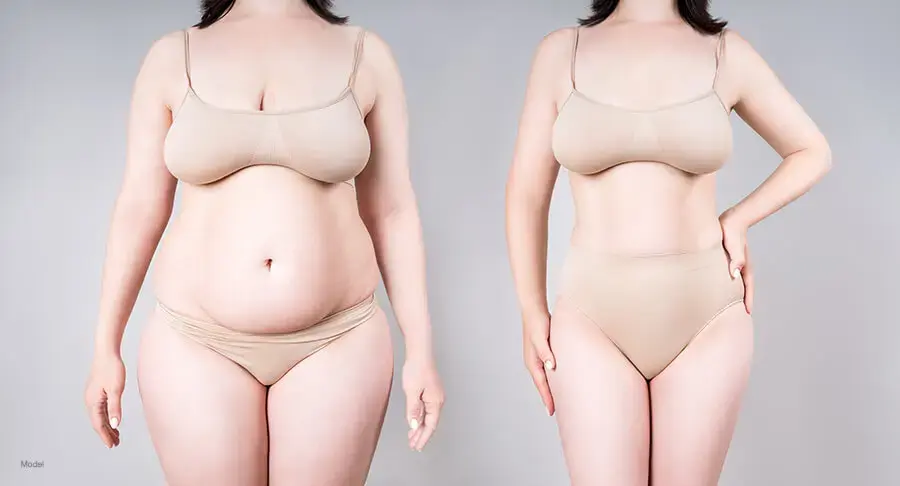
Even after major lifestyle changes and successful weight loss, certain fat deposits may continue to remain in specific areas of the body. The waist may still appear uneven, the lower abdomen may continue to project outward, or the thighs may retain fullness despite months of exercise and dieting. For many individuals, this can feel frustrating, especially after putting in significant effort to improve their health and appearance.
This is one of the reasons why patients begin exploring liposuction after weight loss. Not as a substitute for weight loss itself, but as a contouring procedure designed to refine body shape when lifestyle changes alone are no longer producing visible improvements in certain areas.
According to Dr. Mohan Rangaswamy, understanding the difference between weight reduction and body contouring is essential before considering any surgical procedure. Modern liposuction is no longer simply about removing fat. It has evolved into a more refined approach focused on proportion, contour balance, and natural-looking results.
One of the biggest misconceptions surrounding body contouring is the belief that losing weight automatically creates the ideal body shape. While weight loss reduces overall body mass, it does not always determine where fat disappears from the body.
Some areas respond quickly to exercise and dietary changes, while others remain resistant due to genetics, hormones, and natural fat distribution patterns. This is why two individuals with the same weight can still have very different body proportions.
Dr. Mohan Rangaswamy explains that stubborn fat deposits often remain in areas such as:
These areas tend to hold fat more persistently, even when a person is otherwise physically fit.
As a result, patients who have already achieved substantial weight loss may still feel dissatisfied with their body contour because the remaining fat affects overall balance and proportion.
Traditional liposuction techniques were primarily focused on reducing fat volume. Modern contouring approaches are far more detailed and individualized.
Today, the emphasis is on shaping rather than simply reducing.
When Dr. Mohan Rangaswamy evaluates a patient for liposuction after weight loss, the assessment is not limited to identifying excess fat. Instead, the entire body structure is considered, including:
This approach is important because removing fat from one isolated area without considering the surrounding anatomy can sometimes create imbalance rather than improvement.
Modern body contouring aims to create smooth transitions and natural contours that complement the patient’s overall physique.
One of the most significant advancements in body contouring has been the introduction of VASER liposuction technology.
Unlike conventional techniques that rely heavily on mechanical force, VASER liposuction uses ultrasound energy to selectively break down fat cells before removal. This allows fat to be removed with greater precision while preserving surrounding tissues such as nerves, blood vessels, and connective structures.
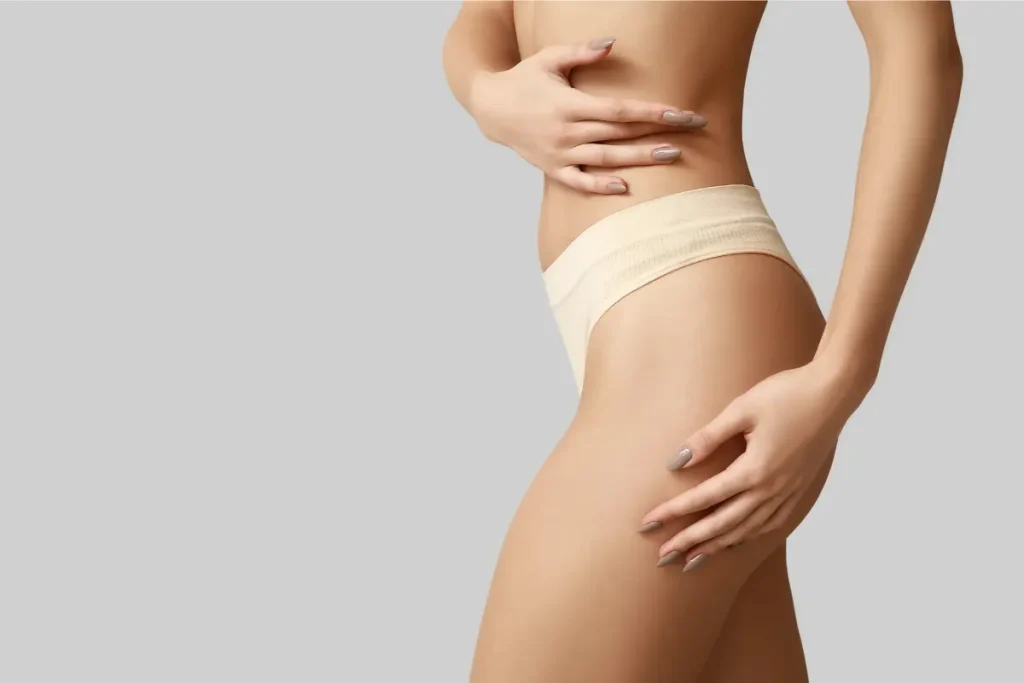
According to Dr. Mohan Rangaswamy, this level of precision becomes particularly valuable after weight loss because contour irregularities can become more noticeable in patients who already have reduced overall body fat.
VASER technology allows for:
This makes it possible to create refined body contours while maintaining a natural appearance.
Many patients wonder why stubborn fat remains despite maintaining a healthy routine. The answer often lies in how the body stores fat naturally.
Fat cells are not evenly distributed throughout the body. Certain regions are genetically predisposed to store fat more efficiently. Hormonal factors can also influence fat retention, particularly around the abdomen, hips, and thighs.
Dr. Mohan Rangaswamy explains that these resistant fat deposits are often unrelated to motivation or discipline. In many cases, patients seeking liposuction after weight loss are already physically active and maintaining stable lifestyles.
The issue is not necessarily excess body weight. It is localized fat distribution.
This distinction is important because it helps patients understand that contour refinement and weight reduction are two separate goals.
One factor that significantly affects post-weight-loss contouring is skin elasticity.
When the skin has good elasticity, it can adapt more effectively after fat removal. However, after significant weight changes, the skin may not always contract fully on its own.
This is why Dr. Mohan Rangaswamy carefully evaluates skin condition before recommending liposuction. In some cases, fat removal alone may not achieve the desired outcome if loose skin is a major concern.
Patients with reduced skin elasticity may require a different treatment approach or a combination of procedures to achieve balanced results.
Understanding this before surgery is essential for setting realistic expectations.
Liposuction after weight loss is not purely physical. For many patients, it is also connected to confidence and self-image.
After spending months or years improving their health, patients often expect their body shape to fully reflect the effort they have invested. When stubborn fat remains, it can sometimes create frustration or disappointment.
Dr. Mohan Rangaswamy believes that honest communication is one of the most important parts of the consultation process. Understanding what liposuction can realistically achieve helps patients approach the procedure with clarity and confidence.
The goal is not perfection. It is refinement, balance, and natural enhancement.
Another important aspect patients should understand is that liposuction results develop progressively.
Immediately after surgery, swelling and temporary changes are expected. The body requires time to heal and settle before the final contour becomes visible.
During the early recovery phase, patients are typically advised to:
Over the following weeks and months, swelling gradually subsides and contour improvements become more noticeable.
According to Dr. Mohan Rangaswamy, patience is an important part of the process because body contouring outcomes evolve gradually rather than instantly.
One of the benefits of liposuction is that removed fat cells do not regenerate. However, this does not mean the body becomes immune to future weight gain.
Remaining fat cells can still expand if lifestyle habits change significantly.
For this reason, Dr. Mohan Rangaswamy encourages patients to maintain:
Liposuction should be viewed as a contour refinement procedure that works best alongside a healthy lifestyle.
Liposuction after weight loss requires precision, restraint, and aesthetic judgment.
Overcorrection, uneven fat removal, or poor planning can lead to unnatural contours and visible irregularities. Achieving smooth, balanced results requires a detailed understanding of anatomy and body proportions.
With over 30 years of surgical experience, Dr. Mohan Rangaswamy focuses on creating results that look natural rather than exaggerated. His approach combines advanced VASER liposuction technology with individualized planning tailored to each patient’s anatomy and goals.
This balance between technical precision and artistic judgment is what defines modern body contouring.
If you are considering liposuction after weight loss and want to better understand how body contouring may help refine your shape, a consultation with Dr. Mohan Rangaswamy can provide personalized guidance based on your anatomy, skin quality, and goals. A detailed assessment helps create a treatment plan focused on safe, natural-looking, and proportionate results.