
A slim body does not always mean a defined body. Even people who maintain a healthy weight and exercise regularly may have localized fat that hides the natural contours of the abdomen, waist, chest, arms, or other areas. When the goal shifts from simply reducing fat to creating more visible and refined body contours, high definition liposuction may be an option for appropriately selected patients.
Unlike conventional liposuction, which primarily focuses on reducing localized fat deposits, high definition liposuction places greater emphasis on sculpting and defining the underlying body contours. The objective is not simply to make an area smaller but to create transitions that complement the patient’s natural anatomy.
VASER technology is often associated with high definition body contouring because its ultrasound assisted approach can help facilitate precise fat removal. However, achieving a natural result depends on much more than technology. Patient selection, anatomy, skin quality, treatment planning, and surgical expertise all play important roles. With more than 40 years of experience in plastic and reconstructive surgery, Dr. Mohan Rangaswamy approaches body contouring with an emphasis on precision, proportion, and individualized treatment planning.
High definition liposuction is an advanced approach to body contouring that focuses on creating greater definition by strategically removing localized deposits of fat. Traditional liposuction is often performed to reduce fullness in areas such as the abdomen, thighs, hips, arms, or waist. High definition techniques take the concept further by considering how fat is distributed around natural anatomical structures.
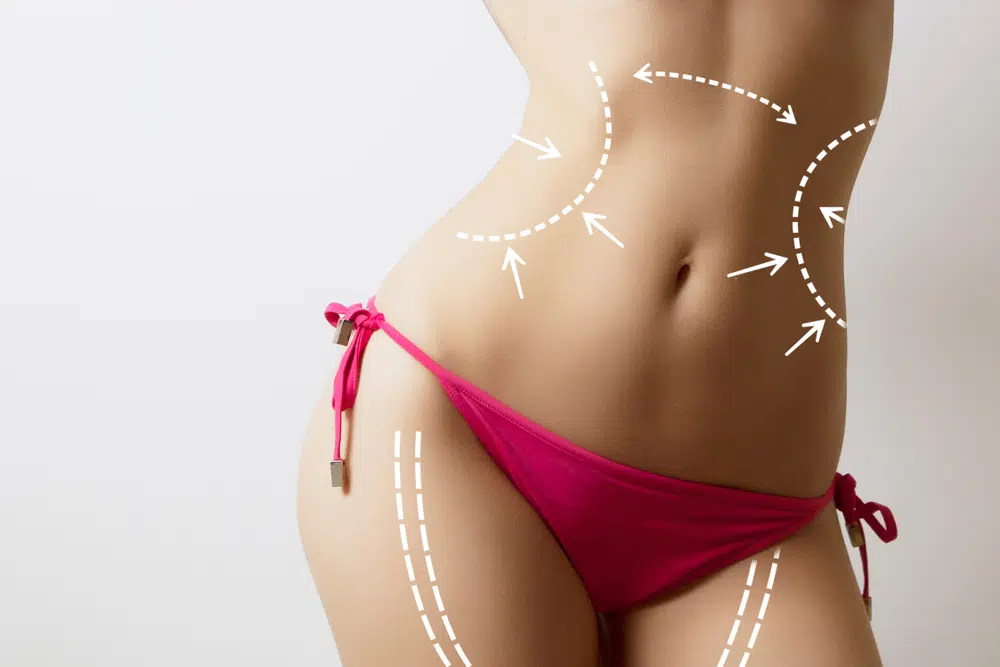
The surgeon may selectively reduce fat around certain contours while preserving or emphasizing other areas. This can create greater visual definition and a more sculpted appearance. The objective is not necessarily to produce an extremely muscular appearance. High definition liposuction can also be used more subtly to create smoother transitions and improve overall body proportions.
The fundamental purpose of both procedures is fat removal, but their contouring objectives can differ. Traditional liposuction generally focuses on reducing unwanted fat and improving the overall shape of a particular area.
High definition liposuction places greater emphasis on three dimensional contouring. Instead of treating a fat deposit in isolation, the surgeon considers how the surrounding tissues and natural anatomical landmarks contribute to the appearance of the body.
For example, abdominal contouring may involve carefully reducing fat around areas that naturally create definition while maintaining appropriate tissue in other areas. This requires considerable precision because removing too much fat from the wrong location can create an unnatural or overly hollow appearance.
VASER liposuction uses ultrasound energy to assist in separating fat cells before they are removed. This technology can be incorporated into high definition body contouring when appropriate. The ability to work with localized fat deposits can be useful when the objective involves detailed sculpting rather than broad fat reduction. VASER is particularly associated with advanced body contouring because it can support precise treatment of selected areas. However, it is important to understand that VASER itself does not automatically produce a high definition result.
The technology is a tool. The final outcome depends on how appropriately it is used, which areas are treated, how much fat is removed, and how the surgeon plans the overall contour. For Dr. Mohan Rangaswamy, the technology must be combined with careful anatomical assessment and extensive surgical experience to create results that look appropriate for the individual patient.
High definition liposuction is generally more appropriate for carefully selected patients rather than people seeking significant weight loss. A suitable candidate may have:
Existing muscle development can also influence the result. High definition contouring works with the body’s existing anatomy. It cannot create substantial muscle where there is little underlying muscle development. This is why a consultation is important. The surgeon needs to determine whether the patient’s anatomy can support the type of definition they are seeking.
The abdomen is one of the areas where high definition liposuction is commonly associated with sculpting. In appropriately selected patients, strategic fat removal can help make existing abdominal contoursmore visible. However, the procedure does not create abdominal muscles.
If someone has limited abdominal muscle development and significant overall body fat, removing superficial fat alone may not produce a sharply defined six pack. The final appearance depends on several factors, including muscle development, skin quality, fat distribution, genetics, and the amount of fat present.
For this reason, realistic expectations are essential. A patient who already has good muscle definition but has a layer of stubborn fat covering it may be more likely to benefit from a high definition approach than someone seeking to create muscle definition that is not already present.
High definition liposuction can be considered for several areas depending on the patient’s anatomy and goals.
The abdomen is one of the most common areas considered for detailed contouring. Strategic fat reduction can improve the visibility of natural abdominal structures and create smoother transitions between the upper and lower torso.
Treating the waist and flanks can help improve the transition between the abdomen and hips. Reducing carefully selected deposits may create a more defined waistline.
In suitable male patients, high definition contouring may be used to reduce localized chest fat and create a more defined relationship between the chest, shoulders, and abdomen.
Localized fat around the upper arms can sometimes obscure natural muscular definition. Carefully planned treatment may refine the shape while preserving a natural appearance.
The upper and lower back can contain localized deposits that affect the overall silhouette. Treating these areas can sometimes contribute to more balanced torso contours. Not every patient needs treatment in multiple areas. The appropriate treatment plan depends on the individual’s body and objectives.
Yes. High definition body contouring is not exclusively a male procedure. For women, the goal may be to create a more defined waist, improve abdominal contours, refine the hips and flanks, or enhance the overall relationship between the waist and hips. However, the desired shape should remain consistent with the patient’s natural anatomy.
A highly sculpted result that looks appropriate on one person may not suit another. This is why individualized planning is particularly important. Dr. Mohan Rangaswamy evaluates the entire body contour rather than focusing only on the area where the patient notices excess fat.
Skin elasticity is a major factor in determining the final appearance after liposuction. When fat is removed, the skin needs to adapt to the new underlying contour. Patients with good skin elasticity may experience better natural contraction.
If the skin is significantly loose, removing additional fat may not create the expected definition. In some circumstances, excess skin may need to be addressed through a different surgical approach. Age, genetics, pregnancy, major weight loss, and repeated weight fluctuations can all influence skin elasticity. This is why a surgeon should assess skin quality before recommending high definition liposuction.
No. This is one of the most important points for anyone considering the procedure. High definition liposuction is designed for body contouring, not significant weight reduction. Someone who is significantly overweight may be advised to focus on achieving a healthier and more stable weight before considering a sculpting procedure. Liposuction can address localized subcutaneous fat that remains after lifestyle efforts, but it does not replace a healthy diet, physical activity, or medically appropriate weight management.
Recovery varies depending on how many areas are treated and the extent of the procedure. Swelling, bruising, tenderness, and temporary changes in sensation can occur during the early healing period. Patients may be advised to wear compression garments and maintain gentle movement while avoiding strenuous activities until their surgeon provides clearance.
One of the most important things to understand is that the final contour is not immediately visible. Swelling can temporarily obscure definition, and the tissues need time to settle. The appearance generally becomes progressively clearer as healing continues. Following postoperative instructions and attending follow-up appointments are important parts of the recovery process.
The fat cells removed during liposuction are permanently removed from the treated areas. However, this does not mean that the body can never store additional fat. If significant weight gain occurs after treatment, the remaining fat cells can enlarge. This can affect overall body proportions and potentially reduce the definition achieved through the procedure. Maintaining a stable weight and healthy lifestyle can therefore help preserve the results. It is also important to remember that natural aging can gradually change body composition and skin quality over time.
High definition contouring requires precision. Removing too little fat may fail to produce the desired improvement, while removing too much can create unnatural depressions or irregularities. The surgeon also needs to understand how different areas connect visually. The abdomen, waist, flanks, chest, and back cannot always be considered independently.
This is where surgical experience becomes particularly valuable. With more than 30 years of experience, Dr. Mohan Rangaswamy approaches body contouring with attention to anatomy, proportion, symmetry, and natural transitions. The objective is not simply to create the most dramatic possible result. It is to create a result that suits the patient’s body.
A consultation should be an opportunity to discuss both your goals and what is realistically achievable. Patients considering high definition liposuction may want to discuss:
A detailed evaluation allows the surgeon to develop a treatment plan based on the patient’s actual anatomy rather than applying the same technique to everyone.
High definition liposuction represents a more sculpting focused approach to body contouring. Rather than concentrating solely on reducing the amount of fat, it aims to strategically refine the body’s contours and create greater definition. VASER liposuction can be incorporated into this approach when appropriate, using ultrasound assisted technology to support controlled fat removal.
However, high definition results depend on much more than equipment. Good candidates, realistic expectations, skin quality, existing muscle structure, careful planning, and surgical experience all contribute to the final outcome. With more than three decades of experience, Dr. Mohan Rangaswamy focuses on individualized body contouring designed around each patient’s anatomy and goals. The emphasis is on precision and proportion rather than simply removing the maximum possible amount of fat.
If you are considering high definition liposuction and want to know whether it is appropriate for your body and goals, an expert consultation with Dr. Mohan Rangaswamy can provide a clearer understanding of your options. A personalized assessment can evaluate your fat distribution, skin elasticity, existing muscle definition, and overall proportions. Where appropriate, VASER liposuction may be incorporated into a carefully planned contouring procedure. The best body contouring results begin with realistic expectations, precise planning, and an approach tailored to the individual.