
When discussing body contouring, most people immediately think about the abdomen, waistline, or thighs. However, smaller areas can have a surprisingly large impact on the overall appearance of the legs. One such area is the knee.
Excess fat around the knees may seem like a minor concern, but it can affect how the entire lower body appears. Even individuals who maintain a healthy weight and exercise regularly may notice fullness around the inner or outer knee region, making the legs appear less defined or proportionate.
Because this area is often resistant to traditional weight-loss efforts, many patients wonder whether knee liposuction can improve leg contours and create a more balanced appearance.
According to Dr. Mohan Rangaswamy, who has more than 30 years of experience in plastic surgery and advanced body contouring procedures, successful contouring around the knees is not about dramatic fat removal. Instead, it focuses on creating smooth transitions between the thighs, knees, and calves while preserving natural anatomy.
Understanding why knee fat develops and how modern body contouring techniques address it can help patients make informed decisions.
Fat distribution varies significantly from one person to another. Some individuals naturally accumulate fat around the abdomen or waist, while others are more likely to store excess fat in the lower body. Several factors contribute to fat accumulation around the knees:
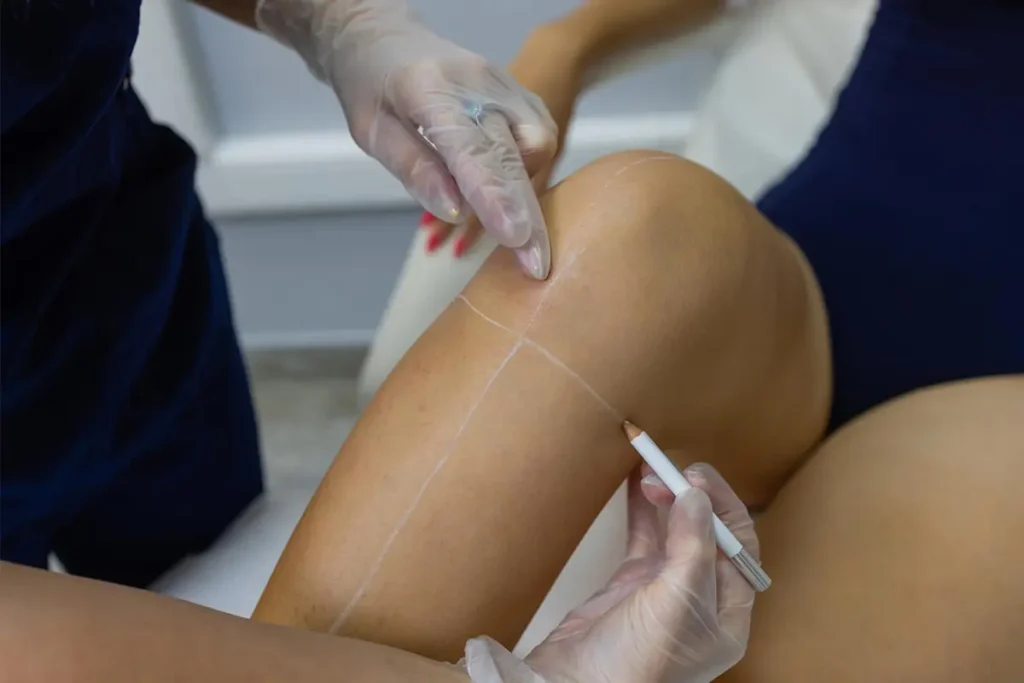
According to Dr. Mohan Rangaswamy, many patients who seek knee contouring are already close to their ideal body weight. Their primary concern is localized fat deposits rather than overall weight management. This explains why knee fat can persist even after successful weight loss.
Many individuals attempt to improve leg contours through walking, running, squats, and lower-body exercises. While physical activity contributes to overall fitness and muscle strength, it cannot selectively target fat around the knees.
The body loses fat systemically rather than from specific areas. As a result, patients often experience improvements in muscle tone and general body composition while noticing little change in the appearance of the knees.
Dr. Mohan Rangaswamy explains that this pattern is one reason localized body contouring procedures continue to attract interest among individuals with stubborn fat deposits.
Knee liposuction is designed to address localized fat deposits around the knee region and improve the overall appearance of the legs. The purpose is not weight reduction. Instead, treatment aims to:
Dr. Mohan Rangaswamy approaches knee contouring with an emphasis on balance and proportion because even small changes in this area can influence how the entire leg appears. Successful contouring often involves subtle refinement rather than major transformation.
Although the knees occupy a relatively small anatomical area, they play an important role in visual balance. Fat accumulation around the knees can interrupt the smooth lines between the thighs and lower legs. This may make the legs appear shorter, heavier, or less defined.
According to Dr. Mohan Rangaswamy, contouring around the knees often creates improvements that extend beyond the knees themselves, enhancing the appearance of the entire lower body. This is why treatment planning focuses on overall proportions rather than isolated fat removal.
Modern contouring techniques have advanced considerably with technologies such as VASER liposuction. VASER technology uses ultrasound energy to loosen fat cells before removal, allowing for more precise contouring.
This precision is particularly valuable around the knees because the area contains relatively small volumes of fat and requires delicate shaping. According to Dr. Mohan Rangaswamy, VASER-assisted contouring offers several advantages:
The emphasis remains on preserving natural leg proportions rather than creating an artificial appearance.
One of the biggest misconceptions about liposuction is that removing more fat automatically produces better results. In reality, excessive fat removal can lead to contour irregularities and unnatural transitions.
The knee region requires special attention because even minor irregularities may become noticeable. Dr. Mohan Rangaswamy carefully evaluates:
before planning treatment. This individualized approach helps achieve balanced and aesthetically pleasing results.
Fat reduction is only one component of successful body contouring. Skin quality plays a major role in determining how tissues adapt after fat removal.
Patients with good skin elasticity often experience smoother contour transitions and improved definition. Those with reduced elasticity may require a more comprehensive assessment.
According to Dr. Mohan Rangaswamy, understanding skin behavior before treatment helps establish realistic expectations and contributes to better outcomes.
In many cases, body contouring is approached comprehensively rather than focusing on a single area. Depending on individual anatomy and goals, knee contouring may be considered alongside:
Dr. Mohan Rangaswamy believes that evaluating surrounding areas helps create natural-looking results because body proportions are interconnected. The objective is to enhance harmony rather than isolate one region.
Recovery after knee liposuction varies depending on the extent of treatment and individual healing characteristics. Patients commonly experience:
Initial swelling may temporarily conceal the final results. According to Dr. Mohan Rangaswamy, contour refinement develops progressively as tissues heal and swelling subsides. Patience remains an important part of the recovery process.
Fat cells removed through liposuction do not regenerate. However, maintaining a stable body weight remains important because remaining fat cells can enlarge if significant weight gain occurs.
Dr. Mohan Rangaswamy advises patients to view body contouring as a complement to healthy lifestyle habits rather than a replacement for them. Long-term results are best supported by consistency and weight stability.
No two patients have identical anatomy. Some individuals may have concerns related to:
According to Dr. Mohan Rangaswamy, successful knee contouring depends on understanding these differences and tailoring treatment accordingly. This personalized approach helps achieve natural-looking outcomes that complement each patient’s body shape.
Excess fat around the knees may appear to be a small concern, but it can significantly influence the overall appearance of the legs. Because localized knee fat often resists diet and exercise, many individuals seek ways to improve lower-body proportions and definition.
Knee liposuction offers a targeted approach to contouring this area, helping create smoother transitions between the thighs, knees, and calves. Modern techniques such as VASER liposuction provide greater precision, allowing Dr. Mohan Rangaswamy to focus on natural-looking results rather than aggressive fat removal.
With more than three decades of experience, Dr. Mohan Rangaswamy emphasizes individualized treatment planning that prioritizes balance, proportion, and long-term patient satisfaction.
If stubborn fat around your knees continues to affect the appearance of your legs despite maintaining a healthy lifestyle, consulting Dr. Mohan Rangaswamy can help determine whether knee liposuction is appropriate for your goals. A personalized assessment allows treatment planning to focus on safe, balanced, and natural-looking results tailored to your anatomy.