
Many people maintain a healthy lifestyle, exercise regularly, and successfully manage their weight, yet still struggle with stubborn fat around the outer thighs and hips. Commonly referred to as saddlebag fat, this localized fat deposit is one of the most frequent body contour concerns, particularly among women.
Because saddlebag fat often persists despite diet and exercise, many individuals begin searching for solutions that can address these resistant areas more effectively. One of the most common questions patients ask is whether liposuction can help reduce saddlebag fat and improve lower body contours.
The answer depends on several factors, including body structure, fat distribution, skin quality, and treatment goals. Understanding why saddlebag fat develops and how modern body contouring techniques work can help patients make informed decisions.
According to Dr. Mohan Rangaswamy, who has more than 30 years of experience in plastic surgery and body contouring procedures, successful treatment of saddlebag fat is not simply about removing excess fat. It is about improving body balance, enhancing natural proportions, and creating smooth transitions between the hips, thighs, and lower body.
Saddlebag fat refers to the pockets of fat that accumulate on the outer thighs, just below the hips. This area gets its name because the fat deposits resemble the position of traditional saddlebags placed on a horse.
Although the amount of fat may vary from person to person, saddlebag fat can affect the overall silhouette by making the hips and thighs appear wider or less proportionate.
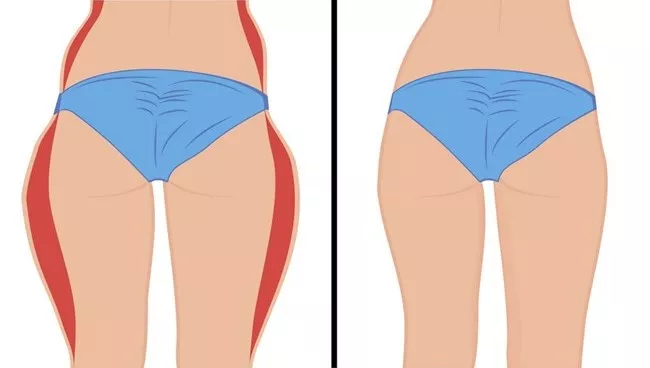
Dr. Mohan Rangaswamy explains that saddlebag fat is often a structural contour concern rather than a weight-related problem. Many patients who seek treatment are already within a healthy weight range but remain bothered by disproportionate fat distribution.
Several factors influence the development of saddlebag fat.
Genetics plays a significant role in determining where the body stores fat. Some individuals are naturally predisposed to accumulate fat around the hips and thighs regardless of their overall body weight.
Hormones also affect fat distribution patterns. This is one reason saddlebag fat is particularly common among women.
As the body ages, metabolism and fat distribution can shift, causing certain areas to become more resistant to traditional weight-loss efforts.
Every person has a unique skeletal structure and fat distribution pattern. For some individuals, the outer thigh region naturally stores more fat than other areas.
According to Dr. Mohan Rangaswamy, understanding these factors is important because it helps patients recognize that stubborn fat is not necessarily the result of poor lifestyle habits.
One of the biggest frustrations associated with saddlebag fat is its resistance to conventional weight-loss methods. Many patients report that they have:
Yet the outer thigh region often remains relatively unchanged. This occurs because the body cannot selectively burn fat from a specific area. While overall fat reduction may occur, localized fat deposits can remain due to genetics and natural fat-storage patterns.
Dr. Mohan Rangaswamy frequently explains that saddlebag fat is one of the classic examples of a resistant fat deposit that may not respond proportionately to lifestyle changes.
In many cases, liposuction can effectively address localized saddlebag fat. The purpose of liposuction is not weight loss but contour improvement.
When treating saddlebag fat, the objective is to reduce excess fat deposits and create smoother body proportions between the hips and thighs.
According to Dr. Mohan Rangaswamy, successful contouring focuses on achieving balance rather than dramatically altering the body’s natural shape. The goal is refinement, not transformation.
One of the reasons saddlebag fat receives so much attention is because of its influence on overall body proportions. The relationship between the:
plays a significant role in how the body’s silhouette appears. Even moderate fat accumulation in the outer thighs can affect visual balance.
Dr. Mohan Rangaswamy carefully evaluates these relationships before planning treatment because improving one area often influences the appearance of surrounding regions.
Modern body contouring has evolved significantly with the introduction of advanced technologies such as VASER liposuction.
VASER technology uses ultrasound energy to loosen fat cells before removal, allowing for greater precision during contouring.
This can be particularly beneficial when treating saddlebag fat because the outer thigh region requires careful shaping and smooth contour transitions. According to Dr. Mohan Rangaswamy, VASER-assisted contouring allows for:
The focus remains on creating natural-looking body proportions rather than simply reducing volume.
The outer thigh area is highly visible in relation to the hips and legs. Removing too much fat can create contour irregularities, while removing too little may not produce noticeable improvement. This is why treatment planning is so important. Dr. Mohan Rangaswamy evaluates:
before recommending an approach. A customized treatment plan helps support balanced and natural-looking results.
Fat removal alone does not determine the final outcome. The skin must also adapt to the newly contoured shape. Patients with good skin elasticity often experience smoother contour adaptation after treatment.
Those with reduced elasticity may require a more detailed assessment to determine the most suitable approach. According to Dr. Mohan Rangaswamy, evaluating skin quality before treatment helps establish realistic expectations and contributes to more predictable outcomes.
Recovery experiences vary depending on the extent of treatment and individual healing patterns. Patients commonly experience:
During the early stages of recovery, swelling may temporarily obscure contour improvements. As healing progresses, the body gradually reveals the refined contours created during treatment.
Dr. Mohan Rangaswamy emphasizes the importance of patience because contouring results continue developing over time as tissues settle and swelling subsides.
A common concern among patients is whether saddlebag fat can return after treatment. Fat cells removed through liposuction do not regenerate.
However, maintaining stable body weight remains important because remaining fat cells can enlarge if significant weight gain occurs.
According to Dr. Mohan Rangaswamy, patients who maintain healthy lifestyle habits and stable weight often enjoy long-lasting contour improvements. This is why body contouring is most effective when combined with long-term wellness habits.
Saddlebag fat is one of the most common examples of localized fat deposits that can persist despite healthy lifestyle efforts. Genetics, hormones, body structure, and natural fat distribution patterns all contribute to its development.
For patients seeking improvement in outer thigh contours, liposuction may provide an effective solution by reducing resistant fat deposits and enhancing body proportions. Modern techniques such as VASER liposuction allow for greater precision and contour refinement, helping create balanced and natural-looking outcomes.
With more than three decades of experience, Dr. Mohan Rangaswamy focuses on individualized treatment planning that prioritizes proportion, harmony, and long-term patient satisfaction.
If stubborn saddlebag fat continues to affect your body confidence despite maintaining a healthy lifestyle, consulting Dr. Mohan Rangaswamy can help determine whether body contouring is appropriate for your goals. A personalized assessment allows treatment planning to focus on safe, balanced, and natural-looking results tailored to your anatomy.