
When people think about body shape, they often focus on overall weight. However, in aesthetic medicine, body proportions frequently matter more than the number on a scale. A person may be at a healthy weight and still feel dissatisfied with their silhouette because of excess fat around the waistline.
This is one of the reasons waist contouring has become one of the most requested body contouring procedures worldwide.
The waist plays a central role in defining body proportions. A well-contoured waist can influence how the abdomen, hips, back, and overall torso appear. Even relatively small changes in this area can create a noticeable improvement in body balance and shape.
According to Dr. Mohan Rangaswamy, who has more than 30 years of experience in plastic surgery and advanced body contouring procedures, the popularity of waist contouring is not simply about removing fat. It is about enhancing natural body proportions and creating harmony between different areas of the body.
Understanding why the waist is such an important contouring area helps explain why patients consistently seek treatment for this region.
The waist serves as a visual transition point between the upper and lower body. Whether viewed from the front, side, or back, the waist contributes significantly to overall body shape. When excess fat accumulates around this area, it can affect the appearance of the abdomen, hips, and torso simultaneously.
Even individuals who maintain a healthy lifestyle often notice that the waist remains one of the most stubborn areas to change.
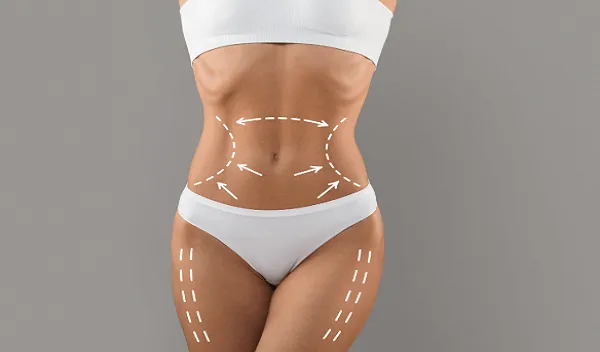
Dr. Mohan Rangaswamy explains that because the waist influences multiple body proportions at once, improvements in this region often create a more noticeable aesthetic impact than patients expect.
Rather than focusing solely on fat reduction, modern contouring aims to improve the relationship between surrounding anatomical structures.
The waist is one of the body’s most common fat-storage regions. Several factors contribute to this tendency, including:
Some individuals naturally store a larger percentage of body fat around the waist and flanks, regardless of their overall body weight. This is why two people with similar body mass can have dramatically different waistline appearances.
According to Dr. Mohan Rangaswamy, patients are often surprised to learn that stubborn waist fat is frequently influenced by biological factors that cannot be completely controlled through exercise alone.
Healthy eating and physical activity remain essential for overall wellness and body composition. However, many patients discover that despite weight loss, the waistline does not always respond as expected.
This occurs because fat reduction happens throughout the body rather than from a specific target area. Core exercises can strengthen abdominal muscles, but they do not selectively eliminate fat deposits around the waist.
Dr. Mohan Rangaswamy frequently explains that body contour concerns often arise after patients have already achieved meaningful lifestyle improvements. The issue is not a lack of effort—it is the body’s natural tendency to preserve fat in certain locations.
This distinction is important because it helps patients develop realistic expectations about what lifestyle changes alone can accomplish.
Many people assume waist contouring simply involves making the waist smaller. In reality, effective waist contouring is much more sophisticated. The goal is to create smooth, balanced transitions between the:
Dr. Mohan Rangaswamy approaches waist contouring as a comprehensive body-shaping procedure rather than isolated fat removal.
This perspective helps create results that appear natural and proportional rather than artificially sculpted. Successful contouring focuses on harmony, not extremes.
One reason waist contouring remains so popular is its impact on visual symmetry. Human perception naturally responds to balance and proportion. When excess fat is distributed unevenly around the waistline, it can disrupt the overall appearance of the torso.
By improving contour consistency, the body often appears more balanced from multiple angles. According to Dr. Mohan Rangaswamy, achieving symmetry requires careful planning because every patient’s anatomy is different.
There is no universal formula for creating an ideal waistline. Instead, treatment must be tailored to the individual’s body structure and aesthetic goals.
Many patients focus primarily on the front of the abdomen when thinking about waist shape. However, the flanks, sometimes referred to as “love handles” play a significant role in waist definition. Fat accumulation in the flanks can make the waist appear wider even when abdominal fat is relatively limited.
Dr. Mohan Rangaswamy often evaluates the waist and flanks together because treating one area without considering the other can create incomplete contouring outcomes. This comprehensive approach helps produce smoother, more natural-looking body proportions.
Modern waist contouring has advanced significantly with technologies such as VASER liposuction. VASER technology uses ultrasound energy to loosen fat cells before removal, allowing for more precise contouring.
For waist sculpting, this precision is particularly valuable because the area requires careful shaping rather than aggressive fat reduction.
According to Dr. Mohan Rangaswamy, VASER-assisted contouring offers greater control when refining curves and transitions between anatomical regions.
The objective is not simply to remove fat, but to create a waistline that complements the patient’s natural frame. This emphasis on refinement is one of the reasons VASER technology has become an important tool in modern body contouring.
One of the biggest misconceptions about liposuction is that better results come from removing more fat. In reality, excessive fat removal can sometimes compromise natural contours. The waist is a particularly sensitive area because even small contour irregularities may become noticeable.
Dr. Mohan Rangaswamy focuses on strategic contouring rather than maximum extraction. This approach prioritizes:
Patients often achieve more satisfying outcomes when treatment focuses on proportion rather than volume alone.
Fat reduction is only one component of successful contouring. Skin quality plays an equally important role. After fat removal, the skin must adapt to the newly contoured shape beneath it. Patients with stronger skin elasticity often experience smoother contour adaptation.
Those with reduced elasticity may require more detailed assessment to determine the most appropriate treatment strategy.
According to Dr. Mohan Rangaswamy, evaluating skin behavior before treatment helps establish realistic expectations and supports more predictable outcomes.
Although body contouring goals differ between individuals, waist contouring is popular among both male and female patients. For many women, the waist contributes significantly to overall torso definition and proportion. For many men, improving waist contours can help create a more athletic and structured appearance.
Dr. Mohan Rangaswamy tailors every treatment plan according to the patient’s anatomy and goals rather than applying a single contouring model to everyone. This personalized approach helps preserve natural characteristics while improving overall balance.
One of the most important things patients should understand is that waist contouring results develop gradually. Immediately after treatment, swelling is expected as part of the normal healing process. As recovery progresses:
According to Dr. Mohan Rangaswamy, patience is essential because the body continues refining itself long after the procedure is completed. Final outcomes should be evaluated only after sufficient healing has occurred.
Waist contouring is most successful when viewed as part of a broader commitment to maintaining a healthy lifestyle.
The procedure addresses localized fat deposits and body proportions, but long-term results benefit from weight stability and healthy habits.
Dr. Mohan Rangaswamy encourages patients to see contouring as a complement to wellness rather than a replacement for it.
When combined with realistic expectations and proper maintenance, waist contouring can provide lasting improvements in body shape and confidence.
If excess fat around your waistline continues to affect your body proportions despite maintaining a healthy lifestyle, consulting Dr. Mohan Rangaswamy can help determine whether waist contouring is appropriate for your goals. A personalized assessment allows treatment planning to focus on safe, balanced, and natural-looking results that complement your unique anatomy.